
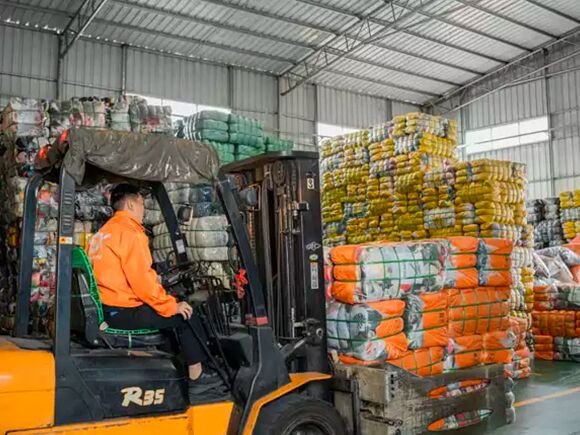
For many African wholesalers, used clothing bales for Africa are not a one-time purchase. They are a repeat supply decision that affects stall turnover, customer trust, cash flow, and container profitability. The best order is not simply the cheapest bale. It is the bale mix that matches local demand, arrives with consistent grading, and gives resellers enough sellable pieces to protect margin.
This guide is written for importers comparing a used clothing bales supplier, especially buyers sourcing from China for resale markets in West Africa, East Africa, Southern Africa, and Central Africa.
Why African buyers search beyond price
The global second-hand clothing trade is now a structured commodity market, not only a donation channel. The European Environment Agency notes that used clothing has become part of a specialized global value chain, while UN Comtrade tracks worn clothing under HS 6309. At the same time, UNEP has warned that textile waste remains a serious global issue. For importers, this means supplier selection must focus on reusable quality, transparent sorting, and market-fit categories, not vague claims about ?cheap bales.?
In practical terms, African buyers usually need three things from wholesale used clothing bales: stable grade, the right season mix, and clear packing terms. If any of these are unclear, a low FOB price can become expensive after freight, duty, inland transport, and unsellable items are counted.
1. Match the bale mix to your local resale market
A buyer selling in a warm coastal city will not need the same mix as a buyer serving a cooler highland region. Before placing an order, define your target category in simple commercial terms:
- Summer clothing: T-shirts, dresses, light shirts, shorts, skirts, children?s wear, and light trousers.
- Mixed family bales: Men?s, women?s, and kids? daily wear for general market resale.
- Premium or A-grade selections: Cleaner, more fashionable items for higher-value retail stalls.
- B-grade or economy selections: Suitable when the buyer has strong sorting capacity and a lower-price resale channel.
- Special categories: Denim, sportswear, cotton wear, shoes, bags, or mixed container programs.
A reliable supplier should be able to explain how each category is sorted and what type of items are excluded. For Africa-focused orders, ask whether the supplier can adjust ratios by season, gender, adult/kids category, and bale weight.
2. Understand grading before comparing quotes
Different suppliers may use the same grade name but mean different quality levels. That is why used clothing quality control should be part of every quote discussion. Instead of asking only for ?A grade,? ask what the grade allows and rejects.
Useful questions include:
- Are badly stained, torn, wet, moldy, or heavily worn items removed before baling?
- Is sorting done by hand, category, gender, season, and quality level?
- Can the supplier share current bale photos or loading photos before shipment?
- What is the expected bale weight, and is it checked before loading?
- Are shoes, bags, rags, and clothing packed separately when requested?
Good grading does not mean every piece is identical. Used clothing is naturally mixed. But it should mean the bale follows a consistent standard so the importer can plan resale pricing with fewer surprises.
3. Compare price by total landed value, not only FOB price
When buyers search for second hand clothes wholesale China, price is often the first filter. But the real question is: how much sellable value arrives at your warehouse or market?
Used clothing bale prices can change based on raw material supply, category demand, grade, bale weight, labor cost, exchange rate, freight conditions, and destination requirements. A cheaper bale may still be a good option if it matches your resale channel. But if it contains too many unsuitable items for your market, the apparent saving disappears quickly.
For serious comparison, prepare a simple landed-cost sheet with FOB price, freight, destination charges, duty or permit costs, inland transport, estimated sellable ratio, and expected resale price by category. This gives you a clearer view of margin than price per kilogram alone.
4. Check container loading and export packing
Used clothes container loading is another point where small details matter. Bale density, bale weight, loading photos, packing marks, and documents all influence how smoothly the goods move from factory to destination.
Before confirming the order, ask the supplier to confirm:
- 20 ft or 40 ft container plan.
- Bale weight options and approximate container quantity.
- Whether categories are marked clearly on each bale.
- Loading photos or video for order records.
- Commercial invoice, packing list, bill of lading support, and any destination-specific documentation advice.
For repeat African importers, stable packing is especially important because many buyers distribute goods to several local wholesalers after arrival. Clear marks reduce sorting time and help the buyer allocate stock faster.
5. Choose a supplier that can support repeat orders
A strong used clothing exporter in China should help you build a repeat supply model, not only sell one container. Look for evidence of sorting capacity, category range, export experience, communication speed, and practical advice for your market.
YIKAO Rewear Supply works with wholesale buyers on used clothing bales, used shoes, used bags, mixed rags, sorting, weighing, packing, and container loading. Buyers can start by sharing destination country, target resale market, category preference, bale weight, quantity, and budget range. With those details, the supplier can recommend a more realistic bale program.
Buyer checklist before ordering used clothing bales for Africa
- Define your target market: low-price mass market, mid-range resale, boutique resale, or mixed wholesale.
- Choose the main category: summer wear, family mix, children?s wear, denim, shoes, bags, or mixed container.
- Confirm grade rules and rejected-item standards.
- Request current photos or loading references when available.
- Compare landed cost and estimated sellable ratio.
- Confirm bale weight, marks, container loading plan, and export documents.
- Use the first order to build data for the second order: best-selling categories, slow items, local price bands, and customer feedback.
FAQ
What is the best bale mix for African markets?
There is no single best mix for every country. Warm-weather markets often prefer summer wear, light shirts, dresses, T-shirts, children?s wear, and practical daily clothing. Buyers should match the mix to local climate, customer income level, and resale channel.
Is A-grade always better than B-grade?
A-grade usually offers better appearance and easier resale, but B-grade can work when buyers have strong local sorting and lower-price sales channels. The better choice depends on your market and margin model.
How should I ask for a quote?
Send your country, destination port, product category, preferred grade, bale weight, container size, and any special market needs. Clear information helps the supplier quote faster and recommend a suitable bale plan.
Next step
If you are planning wholesale used clothing bales for an African market, explore YIKAO?s used clothing bales, review our sorting and grading process, or send an inquiry with your destination market and container plan.
Reference context: UNEP textile waste discussion, European Environment Agency used textile exports analysis, UN Comtrade trade data platform, and Ellen MacArthur Foundation circular fashion overview.